
Keeping an oven clean can be time-consuming, especially when grease and food residue become baked onto the interior. Self-cleaning ovens make the task easier through two main methods: pyrolytic and catalytic cleaning.
Pyrolytic cleaning uses a high-temperature cycle to turn grease and residue into ash, which can be wiped away once the oven cools.
Catalytic cleaning uses special liners that absorb and break down grease while the oven runs at higher temperatures. Pyrolytic cleaning delivers a deeper clean, while catalytic liners provide ongoing support but do not cover every surface inside the oven.
Understanding how each oven cleaning function works can help you choose the option that best suits your cooking habits and cleaning preferences.
What is a pyrolytic oven?
A pyrolytic oven is a self-cleaning oven that uses a dedicated high-temperature cycle to break down grease, food splatters and baked-on residue inside the oven cavity. During pyrolytic cleaning, the oven heats to a much higher temperature than it would during normal cooking, turning most food residue into a fine ash.
For safety, the oven door typically locks while the cleaning cycle is running and remains locked until the temperature has dropped sufficiently. Once the cycle is complete and the oven has fully cooled, simply wipe away the remaining ash with a damp cloth.
This makes pyrolytic cleaning particularly useful for households looking to reduce the amount of manual scrubbing needed to clean an oven.
What is catalytic oven cleaning?
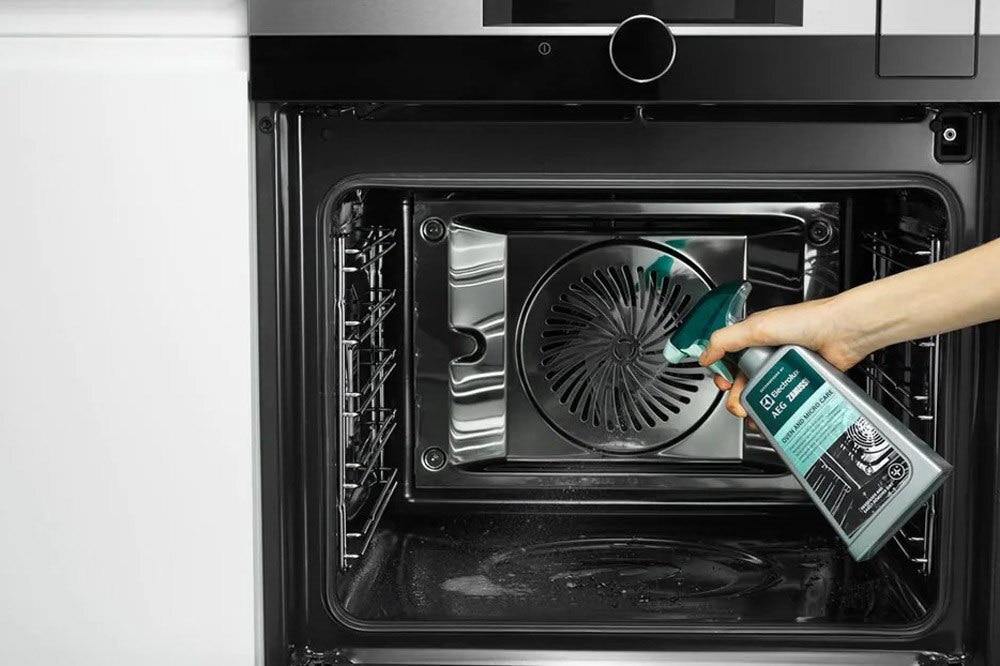
Catalytic cleaning uses specially treated liners inside the oven to absorb and break down grease and food splatters. Unlike pyrolytic cleaning, it does not rely on an extremely high-temperature cycle to clean the entire oven cavity. Instead, the catalytic liners work when the oven reaches higher cooking temperatures or during a dedicated cleaning process, depending on the model.
Since catalytic oven liners only cover certain areas of the cavity, other surfaces such as the oven floor, door and glass may still require manual cleaning. Catalytic cleaning is therefore useful for reducing everyday grease build-up and the amount of scrubbing required, rather than providing the more intensive deep-cleaning process associated with a pyrolytic oven.
What’s the difference between pyrolytic vs catalytic oven cleaning?
The main difference between pyrolytic vs catalytic cleaning is how each system deals with grease and food residue. Pyrolytic cleaning uses very high heat to clean most of the oven cavity, while catalytic cleaning relies on grease-absorbing liners that work during normal high-temperature cooking or a dedicated cleaning process.
|
Feature |
Pyrolytic cleaning |
Catalytic cleaning |
|---|---|---|
|
How it works |
Uses very high temperatures to break down grease and food residue into ash |
Uses specially treated liners to absorb and break down grease |
|
Cleaning coverage |
Cleans most of the oven cavity |
Cleans only surfaces fitted with catalytic liners |
|
Cleaning performance |
Suitable for heavier grease and baked-on residue |
Best suited to ongoing light-to-moderate grease build-up |
|
Cleaning process |
Requires a dedicated high-temperature cleaning cycle |
Works at higher oven temperatures or through a cleaning process, depending on the model |
|
After cleaning |
Remaining ash can be wiped away once the oven cools |
Unlined surfaces and some food residue still require manual cleaning |
|
Maintenance |
Requires relatively little manual cleaning after the cycle |
Catalytic liners require appropriate care and may eventually need replacement |
|
Energy usage |
Typically uses more energy during cleaning |
Generally uses less energy for cleaning |
In everyday use, there are a few key differences worth considering:
- Cleaning intensity: Pyrolytic cleaning provides a more intensive deep clean, making it useful when your oven develops stubborn grease or baked-on food residue. Catalytic liners are designed more for managing grease as it builds up.
- Manual effort: A pyrolytic cycle reduces most residue to ash, leaving you to wipe out the cavity once it has cooled. With catalytic cleaning, surfaces not covered by the liners still need to be cleaned separately.
- Time and energy: Pyrolytic cleaning requires a dedicated cycle at very high temperatures, so it generally takes longer and consumes more energy. Catalytic cleaning works at lower temperatures and can help tackle grease during regular oven use.
- Long-term maintenance: Pyrolytic systems require little maintenance beyond wiping away ash and cleaning areas not covered by the function. Catalytic liners need to be treated carefully and may require replacement over time.
Explore our comprehensive Oven Buying Guide for expert tips on choosing the best oven for your home.
Which oven cleaning function is right for you?
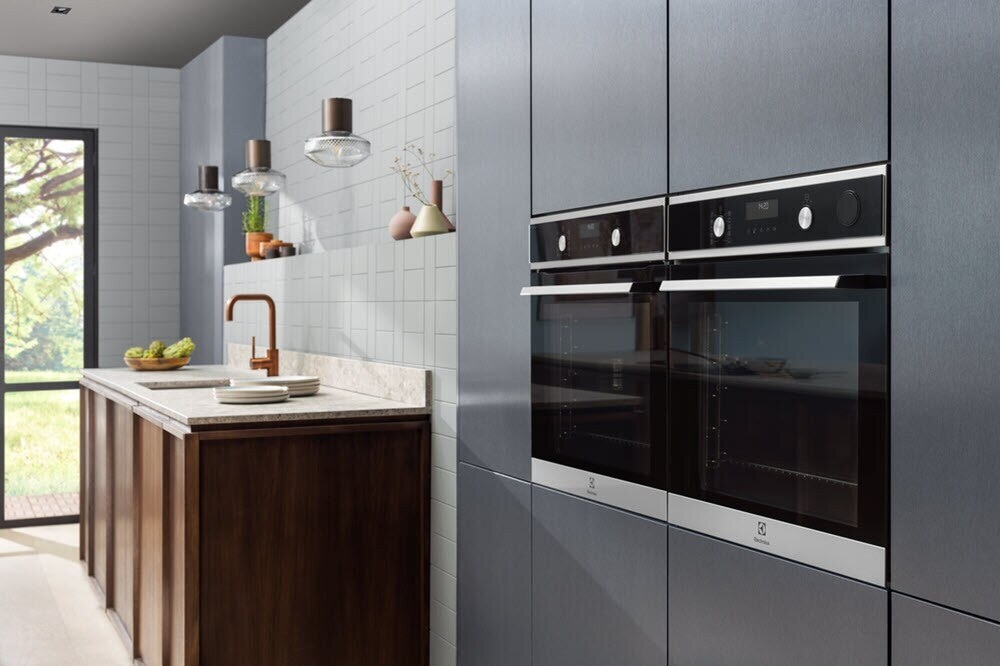
Choosing between pyrolytic and catalytic cleaning depends on how often you use your oven, how much residue tends to build up and how much manual cleaning you want to do.
Consider pyrolytic cleaning if:
- You roast, grill or bake frequently and regularly deal with grease or baked-on food residue.
- You want to minimise the amount of manual scrubbing needed to clean your oven.
- You prefer running a dedicated deep-cleaning cycle when the oven needs a thorough clean.
- You are comfortable with the additional energy used during a high-temperature cleaning cycle.
Consider catalytic cleaning if:
- You want ongoing help managing everyday grease build-up.
- You use your oven moderately and do not frequently have heavy, baked-on residue.
- You are comfortable manually cleaning the oven door, floor and other areas not covered by catalytic liners.
- You prefer a simpler cleaning system that works alongside regular oven use.
What about steam cleaning ovens?
Steam cleaning offers another way to make oven cleaning easier. Rather than using very high temperatures or specially treated liners, a steam-cleaning function uses water and heat to create steam that helps soften grease and food residue inside the oven. Once the programme is finished and the oven has cooled, the loosened residue can be wiped away.
Here’s a simple overview of how the three oven cleaning functions compare:
|
Cleaning function |
How it works |
Best for |
Manual cleaning needed |
|---|---|---|---|
|
Pyrolytic |
Uses very high heat to turn grease and food residue into ash |
Deep cleaning and stubborn, baked-on residue |
Low; remaining ash needs to be wiped away |
|
Catalytic |
Special liners absorb and break down grease at higher temperatures |
Managing everyday grease build-up |
Moderate; areas without liners need separate cleaning |
|
Steam |
Steam softens grease and food residue so it is easier to wipe away |
Regular, lighter cleaning |
Higher; softened residue needs to be wiped away |
6 Tips for keeping your oven easier to clean and maintained
Whatever oven cleaning function you use, dealing with spills and grease regularly can help prevent stubborn residue from building up. A few simple habits can make cleaning easier:
- Wipe up spills early: Once the oven has cooled, wipe away fresh spills before they become baked onto the surface.
- Remove excess food and grease: Clear away large food deposits and excess grease before starting a self-cleaning oven function.
- Clean uncovered areas separately: Oven doors, glass and other surfaces may need manual cleaning even when using pyrolytic or catalytic cleaning.
- Treat catalytic liners carefully: Avoid abrasive cleaners or scrubbing the liners, and follow your oven's instructions for their care.
- Remove accessories when required: Some trays, racks and accessories may need to be taken out before running a pyrolytic cleaning cycle.
- Wait until the oven has cooled: After pyrolytic cleaning, allow the oven to cool completely before wiping away the remaining ash.
Always check your oven's care instructions, as the best way to clean an oven and use its self-cleaning functions can vary between models.
Choose an oven that’s easier to maintain with Electrolux

Electrolux Arabia offers a premium range of ovens, including gas and electric ovens, designed to simplify kitchen maintenance.
When selecting your model, consider these cleaning functions alongside innovative features like AI TasteAssist, found in our 900 SteamPro ovens. This AI-powered technology uses an internal camera to ensure perfect results, helping to prevent the overspills and burnt-on residue that make cleaning difficult.
By balancing cleaning tech with oven capacity and smart cooking programmes, you’ll find an Electrolux oven that stays as pristine as the day you bought it.
- SteamPro with full steam for restaurant-quality results at home
- CookSmart Touch+ guides every step to perfect meals
- AI TasteAssist adjusts oven settings for recipes

- SteamCrisp – crispy on the outside, juicy on the inside
- CookSmart touch guides every step to tasty results
- AI TasteAssist adjusts oven settings for recipes
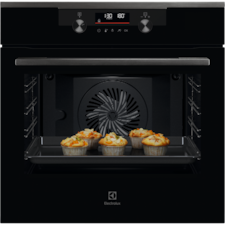
- SteamBake for fluffy yet crisp home-baked goodies.
- SenseCook with food sensor cooks to perfection.
- Pyro - high heat self-cleaning function for effortless cleaning.
Check out Electrolux refrigerators, stoves & hobs and kitchen hoods for your perfect cooking space.
Read more: Top 6 Built-in Electric Ovens for Modern UAE Apartments
FAQs about pyrolytic and catalytic oven cleaning
-
What is the difference between pyrolytic and catalytic oven cleaning?
Pyrolytic cleaning uses very high temperatures to break down grease and food residue into ash, while catalytic cleaning uses specially treated liners to absorb and break down grease. Pyrolytic cleaning provides a more intensive clean across most of the oven cavity, while catalytic cleaning mainly works on surfaces fitted with catalytic liners.
-
How does a self-cleaning oven work?
A self-cleaning oven uses built-in technology to reduce the amount of manual cleaning required. Pyrolytic ovens use a high-temperature cycle to turn food residue into ash, while catalytic ovens use special liners to absorb and break down grease. Some ovens also use steam to soften residue so it can be wiped away more easily.
-
Does a pyrolytic oven still need manual cleaning?
Yes, but usually less than an oven without a self-cleaning function. After a pyrolytic cycle, you need to wipe away the remaining ash once the oven has cooled. The door glass, seals and other areas not covered by the cleaning function may also require separate cleaning.
-
How often should you clean a pyrolytic oven?
How often you use pyrolytic cleaning depends on how frequently you cook and how much grease or food residue builds up. Rather than following a fixed schedule, run the cleaning cycle when there is noticeable build-up inside the oven and always follow the instructions for your specific model.
-
How do you clean catalytic oven liners?
To clean catalytic oven liners, follow the care instructions provided for your specific oven. Avoid abrasive cleaners, harsh chemicals or vigorous scrubbing that could damage the special surface. Other parts of the oven that are not fitted with catalytic liners should be cleaned separately.
-
What is the best way to clean an oven?
The best way to clean an oven depends on its cleaning technology and the amount of residue inside. Use the oven's pyrolytic, catalytic or steam-cleaning function as instructed, and wipe spills promptly once the oven has cooled. Always check the manufacturer's care instructions before using cleaning products or abrasive materials.
-
How do you remove grease from an oven?
Fresh grease is generally easier to remove than baked-on residue, so wipe spills once the oven has cooled. For heavier grease, use your oven's self-cleaning function where available. Pyrolytic cleaning can break down stubborn residue, while catalytic liners help absorb and break down grease on the surfaces they cover.
-
Is pyrolytic cleaning safe?
Yes, when the function is used according to the oven manufacturer's instructions. Pyrolytic ovens are designed for the high temperatures required during cleaning, and the oven door typically locks during the cycle and remains locked until the oven has cooled sufficiently.

